
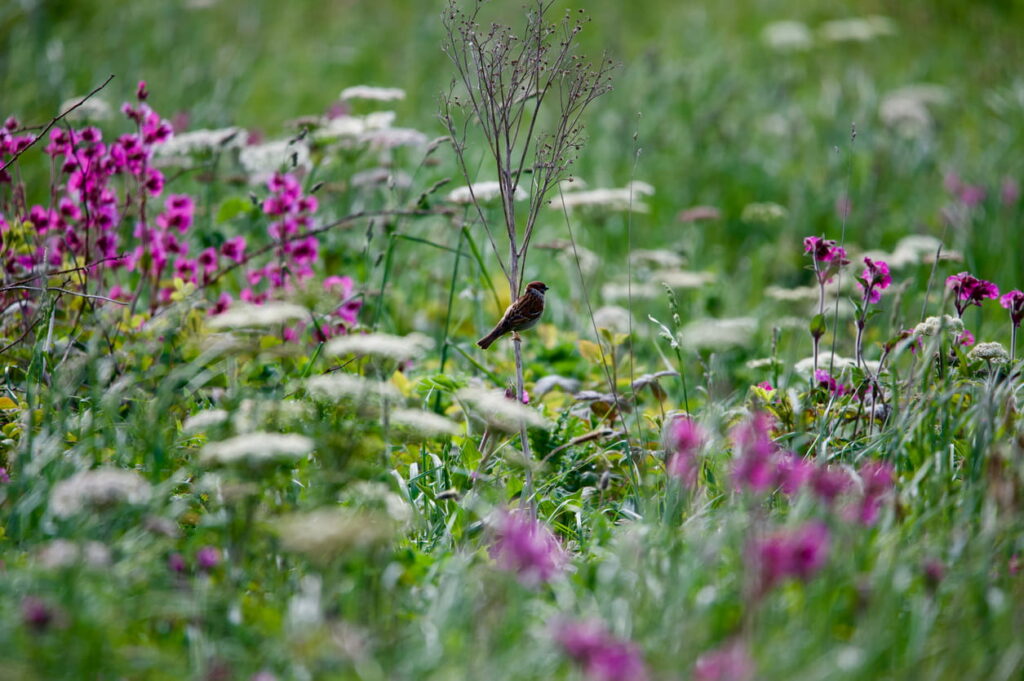
One of the most rewarding things about staying at Woodhall Country Park is that the natural world is always putting on a show. Set within a 2,000-acre estate of woodland, wetland meadow and lakeside habitat in the heart of Lincolnshire, the park changes character with every passing month.
Whether you are an early-morning birder, a wildflower enthusiast, or simply someone who enjoys a peaceful walk with a coffee, this month-by-month guide will help you plan your visit around the very best that nature has to offer.
>>> Check availability and book your stay. Dates fill quickly, especially in spring and autumn.
Spring: March, April and May
Spring at Woodhall is a gradual awakening. The woodland floor comes alive before the canopy closes over, making it the best season for ground-level wildflowers, migrant birds, and the first warm days by the lake.
March
March can still be crisp, but the days are lengthening, and the park feels expectant. Wrap up and head out early for the best sightings.
- Early primroses and wood anemones appear along the woodland rides.
- Chiffchaffs arrive and begin singing from the treetops, often the first sign of spring.
- Grey herons become active around the fishing lakes as they begin nesting.
- Brimstone butterflies, among the first of the year, emerge on sunny afternoons.
- Dawn chorus walks are rewarding from mid-month onward.
>>> Book a spring break at Woodhall
April
April is arguably the most visually spectacular month in the woodland. The window for bluebells is short, so it is worth timing your stay to catch them at their peak.
- Bluebells begin carpeting the woodland floor, typically peaking mid to late April.
- Swallows and house martins arrive, hawking insects over the lakes.
- Great crested grebes perform their elaborate courtship dances on the water.
- Wild garlic (ransoms) fills the air with its distinctive scent along shadier paths.
- Orange-tip butterflies appear, the males unmistakable with their vivid wing tips.
>>> Stay in a lakeside lodge this April
May
May is one of the best months for combining birdwatching with long evenings by the lake. Longer days mean more time outdoors and the park is at its lushest green.
- The dawn chorus reaches its peak, with up to 40 species audible before 6am.
- Common spotted orchids begin to emerge in the meadow areas.
- Dragonflies and damselflies appear at the lake margins as water temperatures rise.
- Swifts arrive from Africa, screaming overhead in fast-moving flocks.
- Fox cubs become visible outside their dens in the early morning and evening.
>>> Explore glamping pods ideal for wildlife watching
Summer: June, July and August
Summer brings warm evenings, busy skies, and the park’s lakes at their most inviting. Insect life peaks, bats emerge at dusk, and the meadows are alive with colour.
June
June evenings are some of the longest and most magical of the year at Woodhall. A hot tub stay at dusk is a wonderful way to spot bats emerging over the water.
- Southern hawker and emperor dragonflies patrol the lakesides.
- Meadow brown and ringlet butterflies are abundant in the grassland areas.
- Kingfishers are frequently spotted darting low over Kingfisher Lake.
- Elderflower and meadowsweet are in full bloom along the margins.
- Young deer, including fallow fawns, begin to appear in the woodland glades.
>>> Book a hot tub lodge for your summer escape
July
July is the peak of summer and the park’s busiest month. Book early to secure lakeside accommodation for family stays or romantic breaks.
- Purple loosestrife and common fleabane add colour to the waterside habitats.
- Common blue and marbled white butterflies are at their peak in open areas.
- Pipistrelle and Daubenton’s bats hunt over the fishing lakes after dark.
- Young coots and moorhens have fledged and can be seen exploring the shallows.
- Barn owls are active at twilight, hunting the meadow margins.
>>> Browse all accommodation options
August
Late August has a bittersweet quality as summer begins its retreat. It is an excellent month for families before the school term begins.
- Migrant waders begin arriving at wetland edges as return passage gets underway.
- Common darter dragonflies replace the larger hawkers as summer fades.
- Blackberries ripen along the hedgerows and woodland edges.
- Glow-worms can occasionally be spotted on warm evenings in the grassland.
- Swallows and martins gather on wires as they prepare for their southward journey.
>>> Plan your late-summer family break
Autumn: September, October and November
Autumn transforms the park into a photographer’s paradise. Mist over the lakes at dawn, golden canopies overhead, and the sounds of deer rutting in the distance make this season one of the most atmospheric times to visit.
September
September is a favourite with returning guests. The park is quieter than in summer, but the natural spectacle is arguably at its most dramatic.
- The fallow deer rut begins, with the distinctive groaning calls audible across the estate.
- Fungi season starts in earnest, with a variety of species emerging after rain.
- Goldfinch flocks gather in the meadows, feeding on thistledown and seedheads.
- Red admiral and peacock butterflies feed on ivy blossom before overwintering.
- Morning mist over the lakes creates some of the park’s most memorable views.
>>> Book an autumn retreat at Woodhall
October
October is the undisputed star of the autumn calendar. A woodland walk in peak colour is one of Lincolnshire’s finest natural experiences, available right on the doorstep.
- Autumn colour peaks across the woodland, with oak, birch and rowan turning gold and amber.
- Fieldfare and redwing thrushes arrive from Scandinavia to feed on berries.
- Fungi diversity is at its highest, including ceps, chanterelles and fly agaric.
- Grey squirrels are hyperactive as they cache nuts for winter.
- Teal and wigeon arrive on the lakes as winter wildfowl passage begins.
>>> Stay in an Oakwood Cabin surrounded by autumn colour
November
November is quiet and underrated. The park has a stillness that is deeply restorative, and the fishing lakes are excellent at this time of year.
- Lapwings and golden plovers form large flocks over the open meadows.
- Winter thrushes are abundant in the hedgerows and orchard edges.
- The last fungi of the season include velvet shank and oyster mushroom.
- Woodcock arrive from northern Europe and can be flushed from bracken rides.
- The bare woodland canopy now reveals tawny owl roost sites and squirrel dreys.
>>> Read our guide to fishing at Woodhall
Winter: December, January and February
Winter reveals the bones of the landscape and rewards those who venture out. Frosty mornings, clear skies, and the absence of leaf cover make wildlife surprisingly easy to spot.
December
A festive escape to Woodhall is something special. Log-burner lodges, crisp woodland walks, and the magical quiet of a winter morning by the lake make December deeply appealing.
- Siskins and lesser redpolls visit the birch and alder trees in small flocks.
- Frost transforms the lakeside vegetation into sparkling sculptural forms.
- Long-tailed tits move through the woodland in animated family parties.
- The fishing lakes are at their most atmospheric in freezing morning fog.
- Short-eared owls occasionally quarter the meadows on winter afternoons.
>>> Book a cosy winter lodge stay
January
January is Woodhall’s quietest month, and often its most peaceful. Rates are at their lowest and the birding can be exceptional.
- Whooper and Bewick’s swans may be seen in fields bordering the estate.
- Bullfinches feed on ash keys and apple buds along the woodland edges.
- Great spotted woodpeckers begin drumming as the days slowly lengthen.
- The fishing lakes are calm and often glassy, perfect for early-morning reflection.
- Red kites are increasingly seen over Lincolnshire and can pass over the park.
>>> View winter availability and rates
February
February sits on the cusp of spring. Book a late-February break and you may catch the first snowdrops as well as the very beginning of the dawn chorus.
- Snowdrops carpet the woodland floor from mid-month, a first sign of spring.
- Great tits and blue tits begin singing their territorial songs from early in the month.
- Hazel catkins release golden pollen on sunny days, dusting the paths.
- Buzzards begin displaying over the woodland canopy on warmer afternoons.
- The toad migration begins towards the end of the month at the lake edges.
>>> Plan your early spring escape
Tips for Getting the Most from Wildlife Watching at Woodhall
Getting out early is the single most effective thing you can do. Most wildlife activity happens in the first two hours after dawn, particularly between April and July. Bring binoculars if you have them, and move quietly around the lake edges.
The three fishing lakes are excellent focal points for wildlife. Even if you are not fishing, the lakesides offer sightings of kingfishers, dragonflies, herons, grebes and bats at dusk. Guests staying in the lakeside lodges have a particular advantage here.
The woodland rides and meadow margins are where you will find most of the botanical interest. Walk slowly and look at the verges as much as the tree canopy. Ground-nesting birds are present in spring and summer, so please keep dogs close to paths during that period.
More reading from our blog:
- Dog-Friendly Walks and Things to Do Around Woodhall Spa
- Best Walking and Cycling Routes from Woodhall Country Park
- A Complete Guide to Fishing at Woodhall: Tips and What to Expect
- Lodges, Oakwoods and Hideaways: Your All-Year-Round Escape
Ready to Experience Woodhall’s Wildlife for Yourself?
Whatever month you visit, Woodhall Country Park rewards those who slow down and look. The 2,000-acre estate means there is always something happening, from the first bluebell of April to the last fieldfare of November.
Choose from lakeside lodges, glamping pods, Oakwood cabins, or touring pitches, all within steps of the woodland and lakes. Dogs are very welcome too.
>>> Check availability and book your stay Five-star rated. Award-winning. All year round.
>>> Explore all accommodation options Lodges, pods, cabins and touring pitches.
>>> View all blog posts More guides, tips and inspiration from Woodhall.